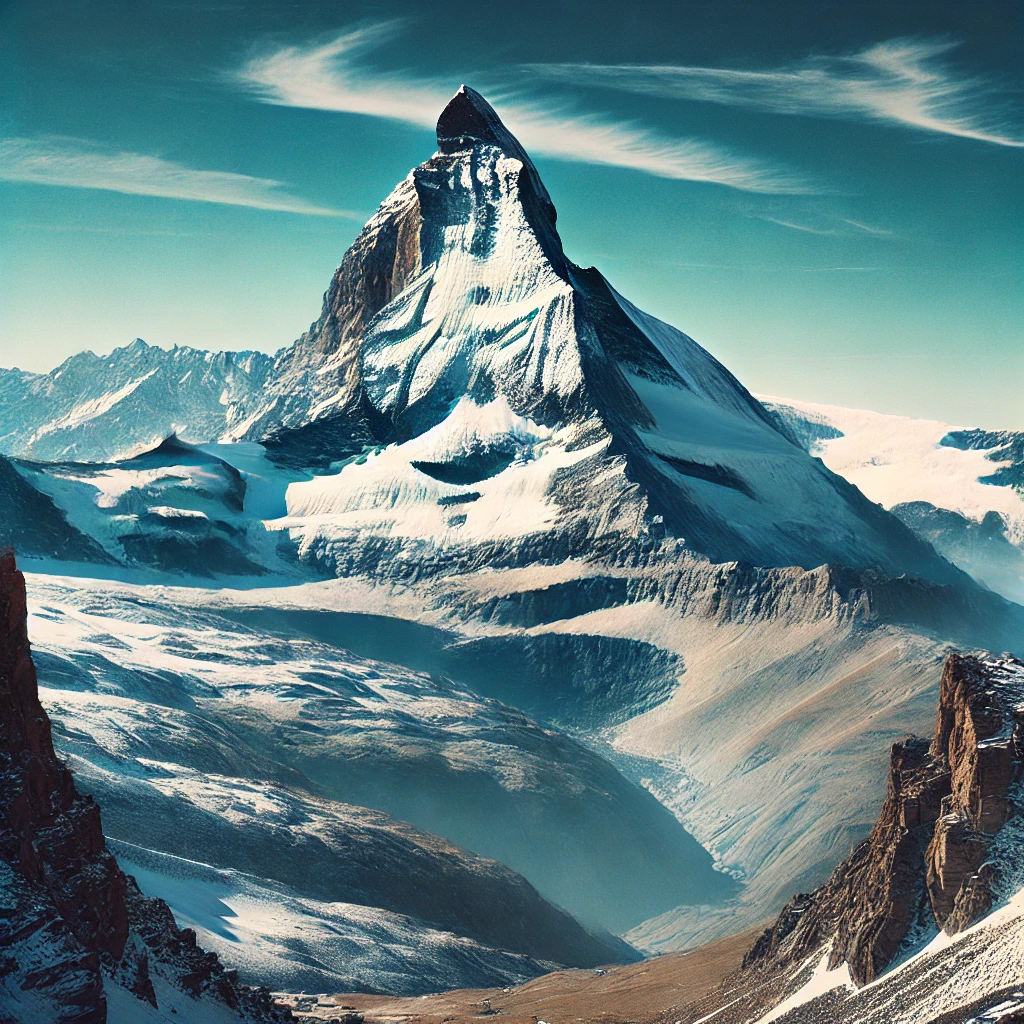
Rising to 4,478 meters, the Matterhorn is one of Switzerland’s most famous and recognizable peaks. Located near the border between Switzerland and Italy, this majestic mountain is a natural symbol of Switzerland and a coveted destination for climbers and nature lovers alike. With its sharp, pyramid-shaped peak, the Matterhorn has become an iconic landmark and an unforgettable part of the Swiss Alps.
The History and Significance of the Matterhorn
Although the Matterhorn was one of the last Alpine mountains to be climbed due to its formidable structure, its first ascent in 1865 marked a turning point in mountaineering history. Edward Whymper led the first successful expedition, but the achievement came with tragedy, as four climbers lost their lives on the descent. Today, the Matterhorn is a symbol of adventure and resilience, attracting thousands of climbers every year.
Key Historical Highlights
- First Ascent in 1865: Edward Whymper’s expedition brought the Matterhorn into mountaineering fame, forever linking it with Alpine exploration.
- Development of Zermatt: The nearby village of Zermatt grew into a bustling tourist destination as interest in the Matterhorn increased.
- International Symbol: The Matterhorn’s distinctive shape and challenging slopes make it an internationally recognized emblem of Switzerland and Alpine beauty.
Activities and Attractions Around the Matterhorn
Visitors to the Matterhorn can enjoy a range of activities, from skiing and hiking to scenic viewpoints and photography spots. Zermatt, a car-free village at the base of the mountain, serves as the gateway to the Matterhorn and offers a charming Alpine atmosphere. For those looking to experience the Matterhorn’s beauty without climbing, the Gornergrat Railway and the Matterhorn Glacier Paradise provide stunning perspectives.
Top Activities and Attractions
- Gornergrat Railway: This scenic train ride offers breathtaking views of the Matterhorn and the surrounding peaks, making it an ideal way to experience the mountain without climbing.
- Matterhorn Glacier Paradise: Take a cable car to the highest viewpoint in Europe, where panoramic views of the Alps and a year-round snow park await.
- Hiking Trails: Zermatt’s hiking trails provide routes with beautiful views of the Matterhorn and access to Alpine lakes, including the picturesque Riffelsee.
Best Times to Visit the Matterhorn
The Matterhorn is accessible year-round, with each season offering unique experiences. Summer (June to September) is ideal for hiking and scenic views, as the trails are open and the weather is mild. Winter (December to March) transforms Zermatt into a winter sports haven, with skiing and snowboarding conditions at their best. Late spring and early autumn offer quieter visits, although weather conditions can be unpredictable.
Visitor Tips for Enjoying the Matterhorn
- Prepare for Altitude: The high altitude can affect breathing, so pace yourself and stay hydrated when exploring high viewpoints.
- Wear Appropriate Clothing: Mountain weather can change quickly; layered clothing and sturdy footwear are essential for both winter and summer visits.
- Respect the Environment: Help preserve the natural beauty by staying on marked trails and following local guidelines.
Conclusion
The Matterhorn stands as a testament to the rugged beauty and allure of the Swiss Alps. Whether you’re taking in views from Zermatt, skiing its surrounding slopes, or simply admiring its jagged peak, the Matterhorn offers a majestic experience for every visitor. As Switzerland’s most iconic mountain, it is a place where nature, adventure, and tranquility converge, creating an unforgettable encounter with one of the world’s most renowned peaks.