Located within the heart of Rome, Vatican City is the world’s smallest independent state and the spiritual center of the Roman Catholic Church. As the residence of the Pope and the headquarters of the Catholic faith, Vatican City attracts millions of pilgrims and tourists annually, who come to admire its historical, artistic, and religious significance. Here’s a guide to the treasures of Vatican City and its role as a beacon of Catholicism.
History and Significance of Vatican City
Vatican City was established as an independent state in 1929 through the Lateran Treaty between Italy and the Holy See. However, its history as the spiritual heart of Catholicism stretches back to early Christianity, with St. Peter’s Basilica built over the tomb of St. Peter, one of Jesus’s apostles. Today, the Vatican is not only a religious and cultural site but also the administrative and diplomatic center of the Catholic Church.
Key Historical Highlights
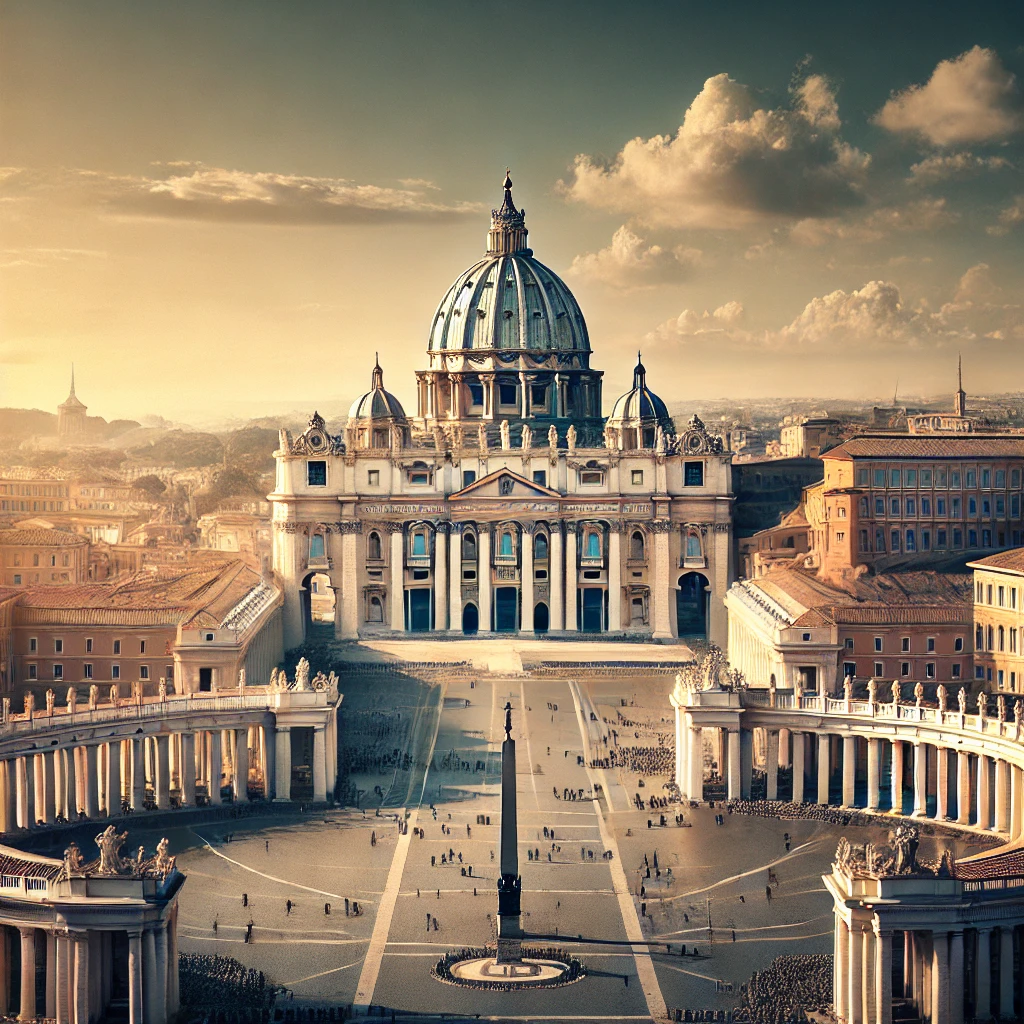
- St. Peter’s Basilica: Built over the tomb of St. Peter, this basilica is one of the holiest Catholic sites, renowned for its grand dome, beautiful architecture, and Michelangelo’s Pietà.
- The Sistine Chapel: Decorated with Michelangelo’s famous frescoes, the Sistine Chapel is the site of papal conclaves and a masterpiece of Renaissance art.
- Independent Sovereign State: Vatican City is an independent state with its own governance, issuing passports, stamps, and maintaining an independent economy.
Exploring Vatican City: Key Attractions
Vatican City’s architectural and artistic wonders make it a must-visit destination for anyone interested in history, art, and religion. From the magnificent St. Peter’s Basilica and its towering dome to the priceless collections in the Vatican Museums, every corner of the Vatican holds a story of faith and artistry.
Top Sites within Vatican City
- St. Peter’s Basilica: As the largest church in the world, St. Peter’s Basilica features stunning sculptures, including Michelangelo’s Pietà, and offers views from its dome.
- The Sistine Chapel: Known for Michelangelo’s ceiling and The Last Judgment, the Sistine Chapel is a work of art that serves as the venue for selecting new popes.
- Vatican Museums: Home to one of the world’s largest art collections, the Vatican Museums feature treasures from ancient sculptures to Renaissance masterpieces, including the Raphael Rooms.
- St. Peter’s Square: The grand, open square designed by Gian Lorenzo Bernini welcomes visitors with its colonnades, creating an awe-inspiring entrance to Vatican City.
Best Times to Visit Vatican City
Vatican City is open year-round, but early mornings, particularly mid-week, offer the best times to explore with fewer crowds. The months of April to October are ideal for pleasant weather, although spring and fall are generally quieter than peak summer months. For a special experience, visit on a Sunday when the Pope delivers a public blessing from St. Peter’s Square.
Visitor Tips for a Meaningful Experience
- Book Tickets in Advance: The Vatican Museums and Sistine Chapel are incredibly popular, so advance booking is highly recommended to avoid long waits.
- Dress Modestly: As a place of worship, Vatican City requires visitors to dress respectfully, covering shoulders and knees, especially inside the basilica and Sistine Chapel.
- Consider a Guided Tour: A guided tour can offer invaluable insights into the history, art, and religious significance of Vatican City’s treasures.
Conclusion
Vatican City is not only a treasure trove of art and architecture but also a spiritual destination that holds deep significance for millions worldwide. Whether you’re admiring the Sistine Chapel’s frescoes, climbing to the top of St. Peter’s Basilica, or exploring the Vatican Museums, a visit to this remarkable city-state offers a glimpse into the beauty, devotion, and heritage of the Catholic Church.