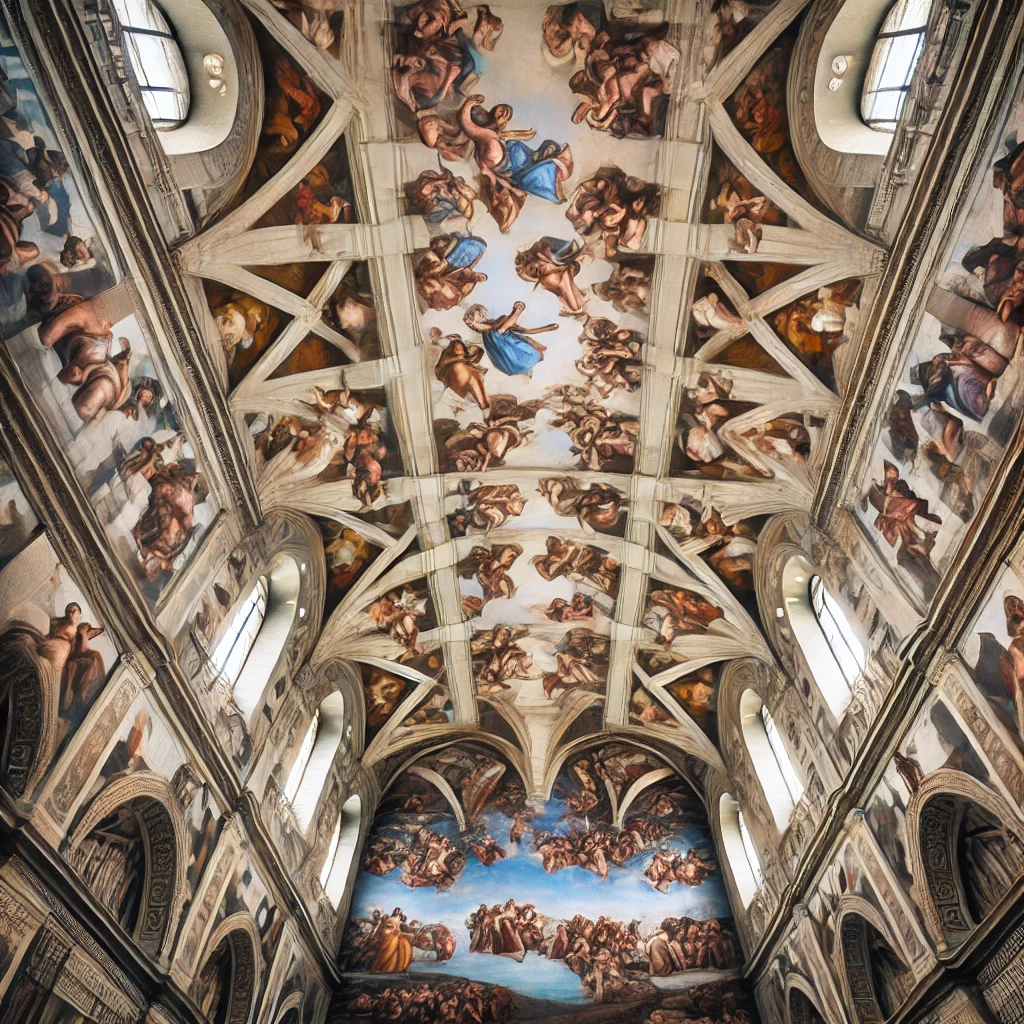
The Sistine Chapel, located within Vatican City, is one of the world’s most celebrated art treasures, renowned for its extraordinary frescoes by Michelangelo. Commissioned by Pope Julius II in the early 16th century, the chapel’s ceiling and The Last Judgment on the altar wall display Michelangelo’s unparalleled talent and creativity. As a masterpiece of Renaissance art, the Sistine Chapel draws millions of visitors who come to marvel at its intricate details, vivid colors, and spiritual themes.
The History of the Sistine Chapel
Originally built in the 15th century under Pope Sixtus IV, the Sistine Chapel served as a private chapel for the Pope and a site for important religious ceremonies. In 1508, Michelangelo was commissioned to paint the chapel’s ceiling, transforming it into a work of art that would later be joined by his fresco The Last Judgment on the altar wall. These masterpieces are widely considered Michelangelo’s finest achievements, depicting scenes from Genesis and the life of Christ with incredible skill and symbolism.
Key Historical Highlights
- Michelangelo’s Ceiling (1508–1512): Michelangelo painted the chapel’s ceiling with scenes from the Book of Genesis, including the famous Creation of Adam.
- The Last Judgment (1536–1541): This powerful fresco on the altar wall depicts the final judgment of souls, completed by Michelangelo three decades after the ceiling.
- Symbol of the Renaissance: The Sistine Chapel is considered a pinnacle of Renaissance art, symbolizing humanity’s quest for knowledge, beauty, and spirituality.
Exploring Michelangelo’s Masterpieces in the Sistine Chapel
The Sistine Chapel’s ceiling is divided into nine central panels that depict scenes from the Book of Genesis, with figures of prophets and sybils surrounding these Biblical episodes. The central panel, The Creation of Adam, is one of the most recognized images in art, portraying the moment God gives life to Adam. The Last Judgment, covering the altar wall, illustrates the final judgment of humanity with stunning detail, from the blessed rising to heaven to the damned descending into hell.
Notable Frescoes in the Sistine Chapel
- The Creation of Adam: This iconic fresco shows God reaching out to touch Adam’s finger, symbolizing the spark of life and human connection with the divine.
- The Creation of Eve: Located in the center of the ceiling, this panel depicts God creating Eve, the first woman, from Adam’s rib.
- The Last Judgment: Michelangelo’s powerful portrayal of judgment day spans the altar wall, filled with dramatic figures and emotional intensity.
Best Times to Visit the Sistine Chapel
The Sistine Chapel is part of the Vatican Museums, which are open year-round, but it is especially busy during the summer. Visiting early in the morning or during the off-season (late fall to early spring) allows for a more comfortable experience. Booking tickets in advance and opting for a guided tour provides valuable insights into Michelangelo’s work and the chapel’s history.
Visitor Tips for an Unforgettable Sistine Chapel Experience
- Book Tickets in Advance: As one of the Vatican’s most popular attractions, advance tickets help avoid long waits and secure your preferred entry time.
- Observe Silence and Respect: The Sistine Chapel is a place of worship, so visitors are required to remain silent and respectful of its sanctity.
- Consider a Guided Tour: A knowledgeable guide can provide in-depth information about Michelangelo’s frescoes and the chapel’s religious significance.
Conclusion
The Sistine Chapel stands as a monument to human creativity, spiritual devotion, and artistic mastery. Michelangelo’s frescoes, from the Creation of Adam to The Last Judgment, continue to inspire awe and admiration centuries after their completion. Visiting the Sistine Chapel offers a profound connection to Renaissance art, history, and the timeless pursuit of beauty, making it an essential experience in Vatican City.