Africa’s ancient cities are testaments to the continent’s rich history, architectural prowess, and cultural legacy. From the mystical sands of Timbuktu to the towering stone walls of Great Zimbabwe, each city tells stories of empires, trade, and religion that shaped Africa’s past. Embark on a journey through these awe-inspiring cities, each offering a unique window into Africa’s ancient heritage.
Timbuktu, Mali: The City of Scholars
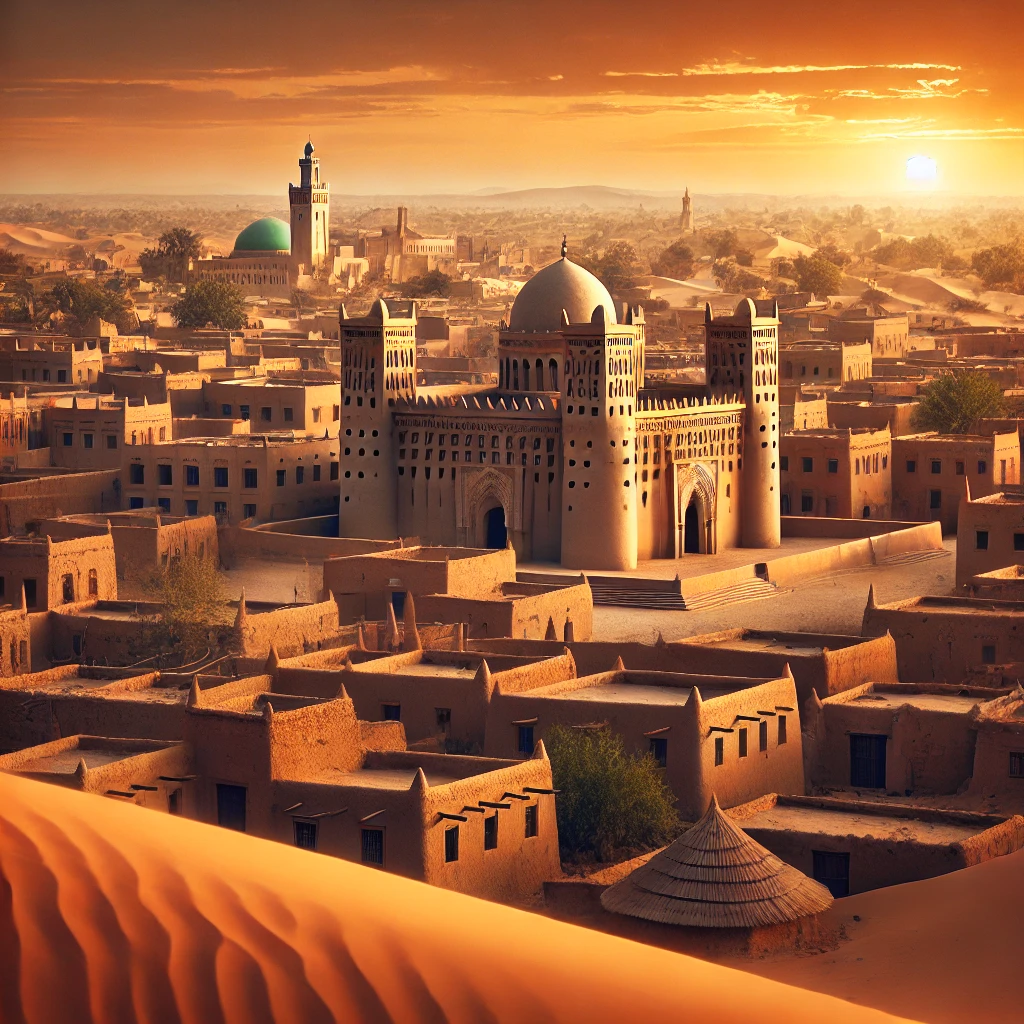
Once a bustling center of learning and commerce, Timbuktu was known as the “City of Scholars” and was home to one of the world’s oldest universities. This ancient city played a central role in the trans-Saharan trade, connecting West Africa with the Mediterranean. The iconic Djinguereber Mosque and the city’s traditional mud-brick architecture are symbols of Mali’s Islamic heritage and intellectual history, attracting travelers and historians alike.
Highlights of Timbuktu
- Djinguereber Mosque: Built in the 14th century, this mosque is a UNESCO World Heritage site and a marvel of mud-brick architecture.
- Manuscript Libraries: Timbuktu’s libraries hold thousands of ancient manuscripts, covering subjects from astronomy to medicine.
- Desert Experience: Explore the Sahara desert landscapes surrounding Timbuktu, offering a glimpse into the trans-Saharan trade routes.
Great Zimbabwe, Zimbabwe: The Stone City of Kings
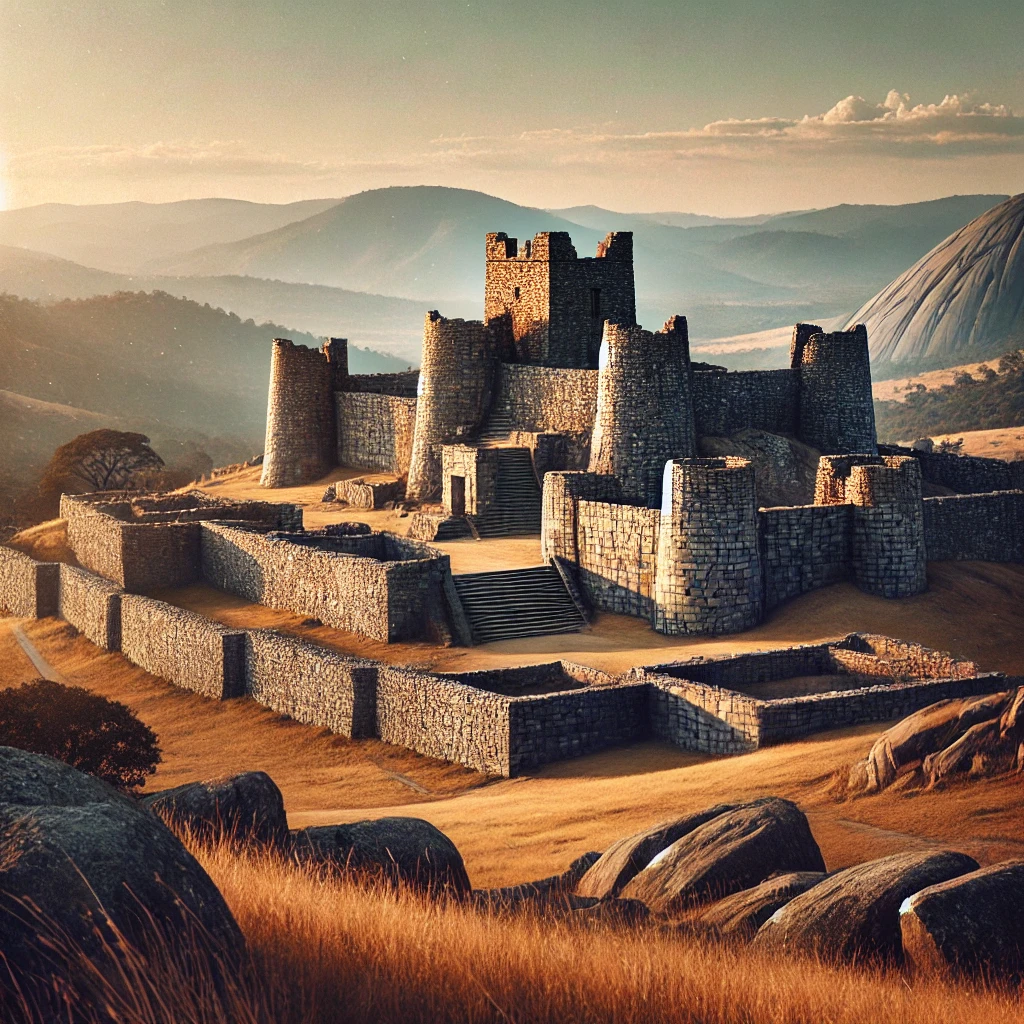
Great Zimbabwe is one of Africa’s most impressive ancient cities, known for its massive stone walls built without mortar. This archaeological wonder served as the capital of the Kingdom of Zimbabwe during the late Iron Age and is thought to have been an important trading hub for gold and ivory. The Great Enclosure and the towering conical structures reveal a sophisticated understanding of construction and architecture, reflecting the power and prestige of the city’s rulers.
Key Attractions in Great Zimbabwe
- The Great Enclosure: This massive stone wall complex is the largest ancient structure in sub-Saharan Africa.
- Conical Tower: The purpose of this unique structure remains a mystery, adding to the allure of Great Zimbabwe.
- Archaeological Museum: The on-site museum showcases artifacts, providing insights into the history and culture of the Kingdom of Zimbabwe.
Lalibela, Ethiopia: The City of Rock-Hewn Churches
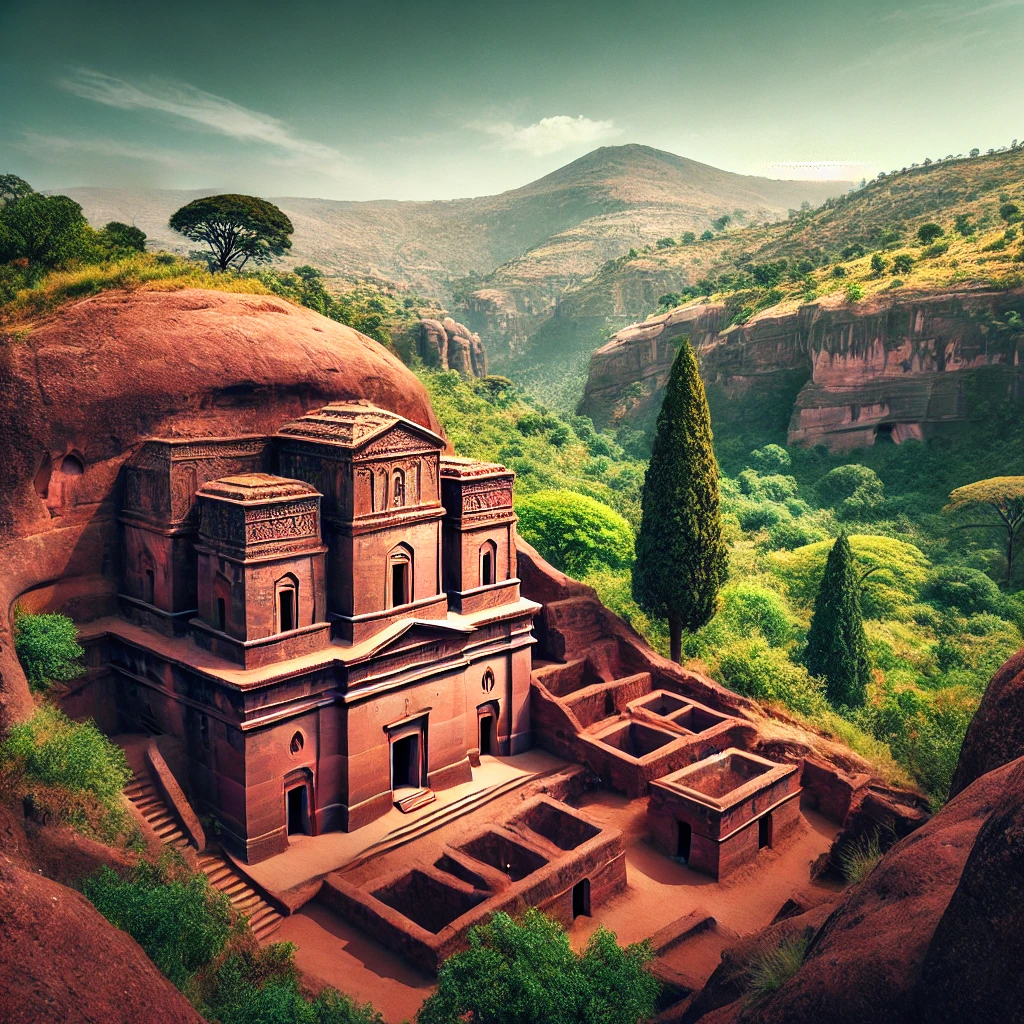
Lalibela is renowned for its monolithic churches carved directly into the rocky landscape, a feat of engineering and devotion. These 11 rock-hewn churches were constructed in the 12th century by King Lalibela to create a “New Jerusalem” in Ethiopia. The Church of St. George, one of the most famous of these churches, is shaped in the form of a cross and symbolizes Ethiopia’s strong Christian heritage. Today, Lalibela is a pilgrimage site and a testament to Ethiopia’s unique place in African religious history.
Must-See Sights in Lalibela
- Church of St. George (Bet Giyorgis): This cross-shaped church carved from volcanic rock is the most iconic of Lalibela’s churches.
- Bet Medhane Alem: The largest rock-hewn church in Lalibela, known for its massive columns and impressive interior.
- Pilgrimage Trails: Lalibela remains a major pilgrimage destination, especially during religious holidays when thousands of visitors gather here.
Conclusion
Africa’s ancient cities are treasures of human achievement, spirituality, and resilience. From the intellectual legacy of Timbuktu to the architectural grandeur of Great Zimbabwe and the spiritual devotion evident in Lalibela, these cities offer a profound journey through Africa’s past. Exploring these historic sites connects travelers to the enduring stories, achievements, and traditions that continue to shape Africa’s cultural identity today.