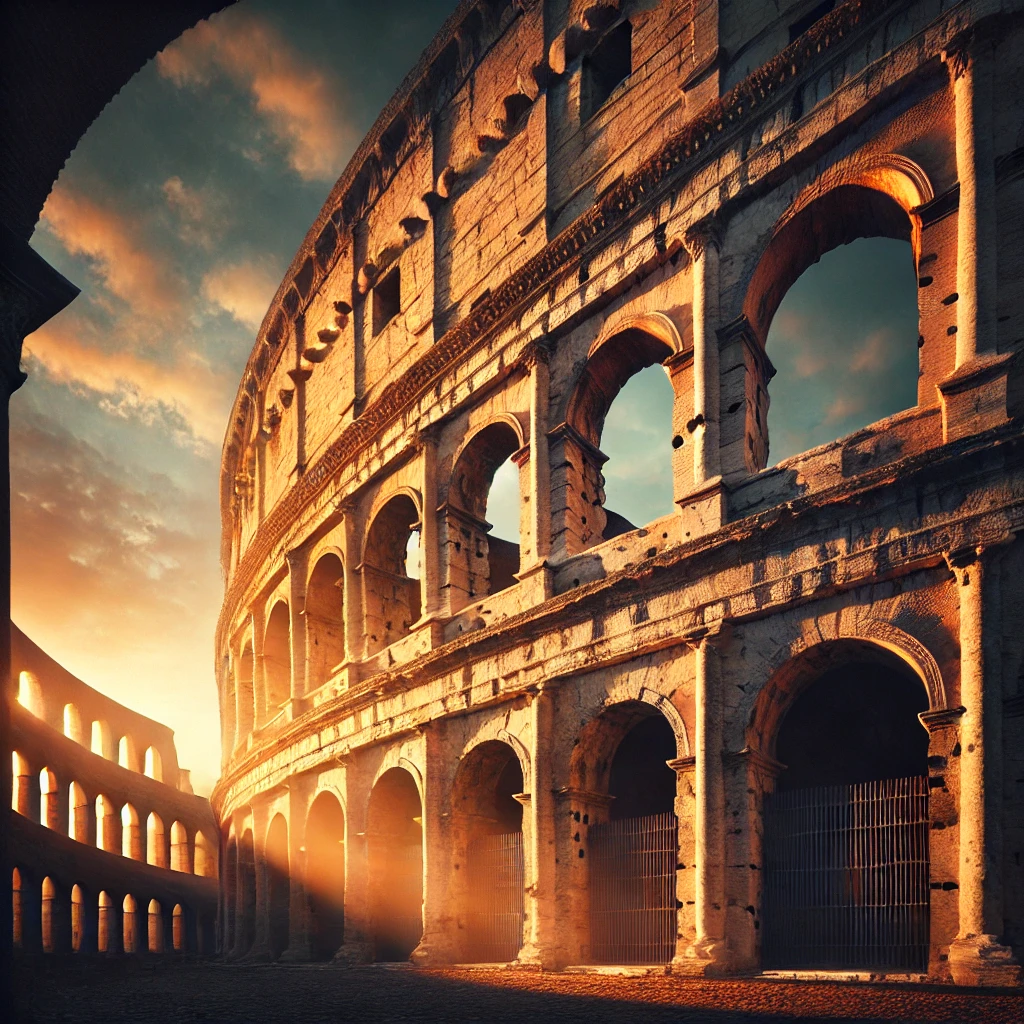
As one of the most iconic landmarks in Rome, the Colosseum stands as a monumental symbol of ancient Roman culture and architecture. Known as the Flavian Amphitheatre, this grand arena hosted epic gladiator battles, public spectacles, and elaborate games that captivated the people of Rome. Today, visiting the Colosseum offers travelers an extraordinary journey through history, allowing them to step into the past and imagine the vibrant life of ancient Rome. Here’s a closer look at the Colosseum’s history, unique features, and tips for experiencing its grandeur to the fullest.
The Historical Significance of the Colosseum
The Colosseum was commissioned by Emperor Vespasian in AD 70–72 and completed by his son Titus in AD 80. Built on the site of Emperor Nero’s lavish palace, the amphitheater was intended as a gift to the Roman people, symbolizing Rome’s power and grandeur. With a capacity of up to 80,000 spectators, the Colosseum was the largest amphitheater ever constructed and hosted a range of events, including gladiator battles, wild animal hunts, and mock sea battles. These events, often violent and theatrical, were a way for emperors to gain public favor and demonstrate their control over the empire.
Key Historical Events
- Inaugural Games in AD 80: The opening games lasted 100 days, with over 9,000 animals and hundreds of gladiators participating in grand spectacles.
- Use During the Roman Empire: For nearly four centuries, the Colosseum served as the heart of Rome’s entertainment, showcasing Rome’s engineering prowess and cultural love for public games.
- Decline and Conservation: Following the fall of Rome, the Colosseum was repurposed, damaged by earthquakes, and used as a quarry until conservation efforts began in the 18th century.
Architectural Marvels of the Colosseum
The Colosseum’s architecture reflects the height of Roman engineering and design. Built from concrete, travertine, and tuff, the structure features a complex network of vaults and arches that allowed for easy access and efficient crowd management. Its elliptical shape and tiered seating enabled optimal viewing for spectators. The Colosseum was also equipped with a retractable awning, or “velarium,” that shaded spectators, showcasing Rome’s innovative approach to public architecture.
Distinct Architectural Features
- The Hypogeum: The Colosseum’s underground area housed gladiators, animals, and equipment. A complex network of tunnels and elevators allowed for dramatic entrances onto the arena floor.
- Arches and Tiers: The Colosseum’s arches were not only aesthetic but also provided structural support, dividing seating into distinct tiers based on social class.
- The Velarium: A series of retractable awnings protected spectators from the sun, showcasing Roman innovation in creating comfortable public spaces.
Planning Your Visit to the Colosseum
Visiting the Colosseum is a highlight for any trip to Rome, and planning ahead can help you make the most of your experience. From choosing the best time to visit to exploring different ticket options, here are some tips for a memorable visit:
Visitor Tips
- Book Tickets in Advance: Due to its popularity, booking tickets online can save you from long lines. Consider a combined ticket that includes access to the Roman Forum and Palatine Hill for a complete ancient Rome experience.
- Explore with a Guide: A guided tour provides valuable insights into the history and architecture of the Colosseum. Some tours also offer access to restricted areas, such as the Hypogeum and the upper levels.
- Visit Early or Late: Early morning or late afternoon visits offer a quieter atmosphere and beautiful lighting, perfect for photographs.
- Check for Special Events: Occasionally, night tours are available, allowing visitors to experience the Colosseum illuminated after dark, adding a dramatic flair to your visit.
The Cultural Legacy of the Colosseum
Beyond its architectural and historical significance, the Colosseum has become a global icon representing ancient Rome’s grandeur and the resilience of history. Today, it draws millions of visitors annually and is celebrated as one of the New Seven Wonders of the World. The Colosseum stands as a reminder of the rich cultural heritage of Rome and the legacy of the ancient world, captivating the imaginations of all who visit. As you walk through its ancient corridors, you’ll feel a deep connection to the past, where stories of gladiators, emperors, and spectators come alive.
Conclusion
The Colosseum is more than an ancient ruin; it’s a journey into Rome’s past and a testament to its enduring legacy. Whether you’re drawn by its architectural beauty, historical significance, or the stories of gladiators who once fought within its walls, a visit to the Colosseum is an experience that brings history to life. Stand beneath its towering arches, explore its hidden corridors, and immerse yourself in the grandeur of ancient Rome at this unforgettable landmark.